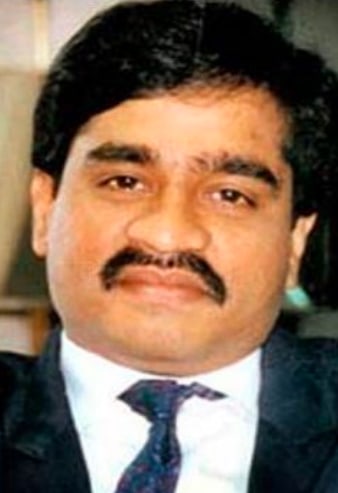
Dawood Ibrahim Net Worth
A designated network and an unverified fortune.
Last updated Nov 6, 2026 · 11 min read
Estimated net worth
$6.7 Billion
USD · As of November 6, 2026
- Source of wealth
- Extortion and protection payments, Gold and narcotics smuggling, Property in Karachi, Dubai and India, Hawala and money transfer channels, Counterfeit currency and other rackets
- Nationality
- India
- Estimate
- Historical estimate by Net Worth Watch
What is Dawood Ibrahim's net worth?
Dawood Ibrahim's net worth is put at $6.7 billion, a reported estimate restated as of 6 November 2026. The figure first appeared in reporting in May 2015 and has been repeated since without any underlying accounts being published. It is not a bank balance, a shareholding or an audited estate. It is a guess at the total value of the criminal syndicate known as D-Company, the enterprises attributed to it and the property bought with the proceeds, presented as though one man owned all of it.
What the number tries to capture is a mixture: protection payments collected from businesses in Mumbai, smuggling of gold and later narcotics, commission from moving money outside banking channels, counterfeit currency operations, and land and buildings in Karachi, Dubai and India. Much of that is turnover rather than wealth, since a racket collecting cash monthly also spends it on payroll, bribes and legal defence.
No court, regulator or accountancy firm has ever valued Dawood Ibrahim's holdings. The United States Treasury has frozen what it could identify, India has auctioned individual properties, and Nepal has frozen assets of named associates, but none of those actions produced a total. The $6.7 billion should be read as an estimate of scale, unverified and probably unverifiable, and it is presented here as such.
How the fortune was built
Dawood Ibrahim Kaskar was born on 26 December 1955 in Khed, in the Ratnagiri district of Maharashtra, into a Konkani Muslim family. His father, Ibrahim Kaskar, was a head constable with the Mumbai Police, and his mother, Amina Bi, kept the home. The family lived in Temkar Mohalla in Dongri, a dense quarter of south Mumbai, and he attended Ahmed Sailor High School before dropping out. He was committing theft, fraud and robbery while still in his teens.
His entry came through the Dongri ecosystem rather than one mentor: he came into contact with the smuggler Haji Mastan and joined the gang of a local don known as Baashu Dada. In the late 1970s he broke away and formed his own gang with his elder brother, Shabir Ibrahim Kaskar. Shabir was killed by the rival Pathan gang of Karim Lala, and Dawood emerged as sole boss. That gang became D-Company, which he founded in Mumbai in the 1970s and which remains the vehicle for everything attributed to him.
The first substantial revenue was gold smuggling. India restricted gold imports in the 1970s and 1980s, and the premium between the official and street prices paid for a network with landing points on the Konkan coast and distribution in Mumbai. The network's physical advantage was the coast itself: small boats could land cargo at isolated beaches between Mumbai and Goa, well away from the customs posts of the port. Real estate and extortion sat alongside it, and drug trafficking followed. By the early 1990s the organisation was described as having more than 5,000 members and taking in hundreds of millions of rupees a year.
The expansion was run day to day by his second in command, Chhota Rajan. The two split in 1992, and Rajan later became an informant of sorts for Indian agencies and a rival. In 1986 Dawood left India for Dubai after the Mumbai Police wanted him over the murder of Samad Khan. Dubai in that period was a trading city with a large South Asian business community and a banking system that asked few questions, and it became the headquarters of the syndicate, with re-export trade providing cover for metal moving in both directions.
The turning point was March 1993, when serial bombings killed hundreds in Bombay. Investigators and Indian courts attribute the operation to Dawood and his network, and he has been wanted since 1993. He left Dubai for Karachi, where he is reported to live. The bombings transformed him from a smuggler with political contacts into a designated terrorist, and they closed off the legitimate business front he had been building.
Assets and holdings
The structure is not a company with shares. It is a set of personal loyalties, family names and intermediaries. Indian intelligence dossiers describe nine residences in Pakistan, and Indian agencies say he holds three Pakistani passports used for travel. Property is held through relatives and associates rather than in his own name, which is why seizure actions target the person who signed the deed rather than the man identified as the owner.
Real estate is the largest identifiable store of value. He is described as heavily invested in property in Karachi, Dubai and India. The Karachi addresses that appear in Pakistani notifications of August 2020 are a house near the Saudi Mosque in Clifton, a property on 30th Street in Defence Housing Authority, and a bungalow in the hills of Noorabad. India's list includes the family's ancestral properties in Ratnagiri district and the Rounaq Afroz Restaurant, also known as Delhi Zaika.
Beyond land, the holdings are operating assets rather than passive ones: the extortion network in Mumbai and its collection crews, the smuggling routes that the Treasury fact sheet says run through South Asia, the Middle East and Africa, and the hawala channels through which value moves without crossing a border as cash. None of it appears on a balance sheet available to any regulator. There is also a Bollywood connection from the 1980s and 1990s, when studios and films were said to be financed by the syndicate, though that was influence and income rather than a portfolio.
Income and the scale of the operations
The cash came in small amounts from many payers. Extortion in Mumbai is a subscription business: construction firms, transport operators, traders and film producers pay monthly for the right to work, and the sums are collected in person by replaceable men. Indian case files describe the practice as continuing through associates long after the boss left the country.
Smuggling supplied the large single payments. Gold in the 1980s, then narcotics, then counterfeit Indian currency notes produced in Nepal and pushed across the border. The Treasury fact sheet describes large-scale shipment of narcotics into the United Kingdom and Western Europe, and says the syndicate's routes were shared with al-Qaeda. The network is also described as controlling much of the hawala system, which earns a commission on every remittance and leaves a pool of value outside the banks.
Scale is the reason the figure is as large as it is. The syndicate is described as spanning Asia, Europe and Africa, with more than 40 percent of earnings coming from India. Any total therefore describes turnover across a decade rather than a year's profit, and these are investigators' characterisations, not audited revenues, and no year by year income statement exists for any part of it.
Where the money went
Very little of the money stayed where it was earned. A criminal network is a payroll: gunmen, couriers, lawyers, bail and the payments that keep officials useful. The 1993 bombings then converted the organisation from a smuggling operation with political protection into a sanctioned target and pushed its principal out of Dubai.
The state took what it could reach. In November 2017 India auctioned three properties, including the Rounaq Afroz Restaurant. In 2020 it sold six properties in the ancestral village in Ratnagiri district by e-auction under the Smugglers and Foreign Exchange Manipulators (Forfeiture of Property) Act of 1976. The US Treasury lists him under the Foreign Narcotics Kingpin Designation Act, which allows assets believed to be under his control to be seized. In February 2025 the Treasury sanctioned two Indian nationals and a company based in Pakistan for ties to D-Company.
Nepal froze the assets of 224 individuals and 64 entities linked to him in 2013. Pakistan, under the threat of action by the Financial Action Task Force, issued notifications in August 2020 listing him and 87 others. Family expenditure is the other visible drain, including weddings: his daughter Mahrukh married Junaid Miandad, son of the cricketer Javed Miandad, in 2016.
What the records actually show
Nothing in the public record supports $6.7 billion as a measured quantity. The figure is a press estimate from May 2015, repeated since, and no methodology has been published with it. The documents that do exist measure something narrower: individual properties, individual designations, individual bank accounts that were found and frozen.
What can be verified is the legal and administrative trail. Interpol has wanted him since 1993 for organised crime and forgery. The United Nations Security Council's Al-Qaida and Taliban Sanctions Committee listed him in 2003 with three Karachi addresses, and the United States designated him the same year. The Treasury's Office of Foreign Assets Control holds a fact sheet describing his routes and his links to other networks. Indian agencies hold dossiers, including an August 2015 file listing nine residences in Pakistan and three Pakistani passports.
What cannot be verified is ownership. Almost nothing attributed to him is in his name, and no independent audit of D-Company has ever been attempted, because the organisation exists to prevent one. The extortion take, the narcotics volume and the property values are all estimates layered on estimates. The $25 million American reward is the clearest official statement of how much the state does not know.
How that compares
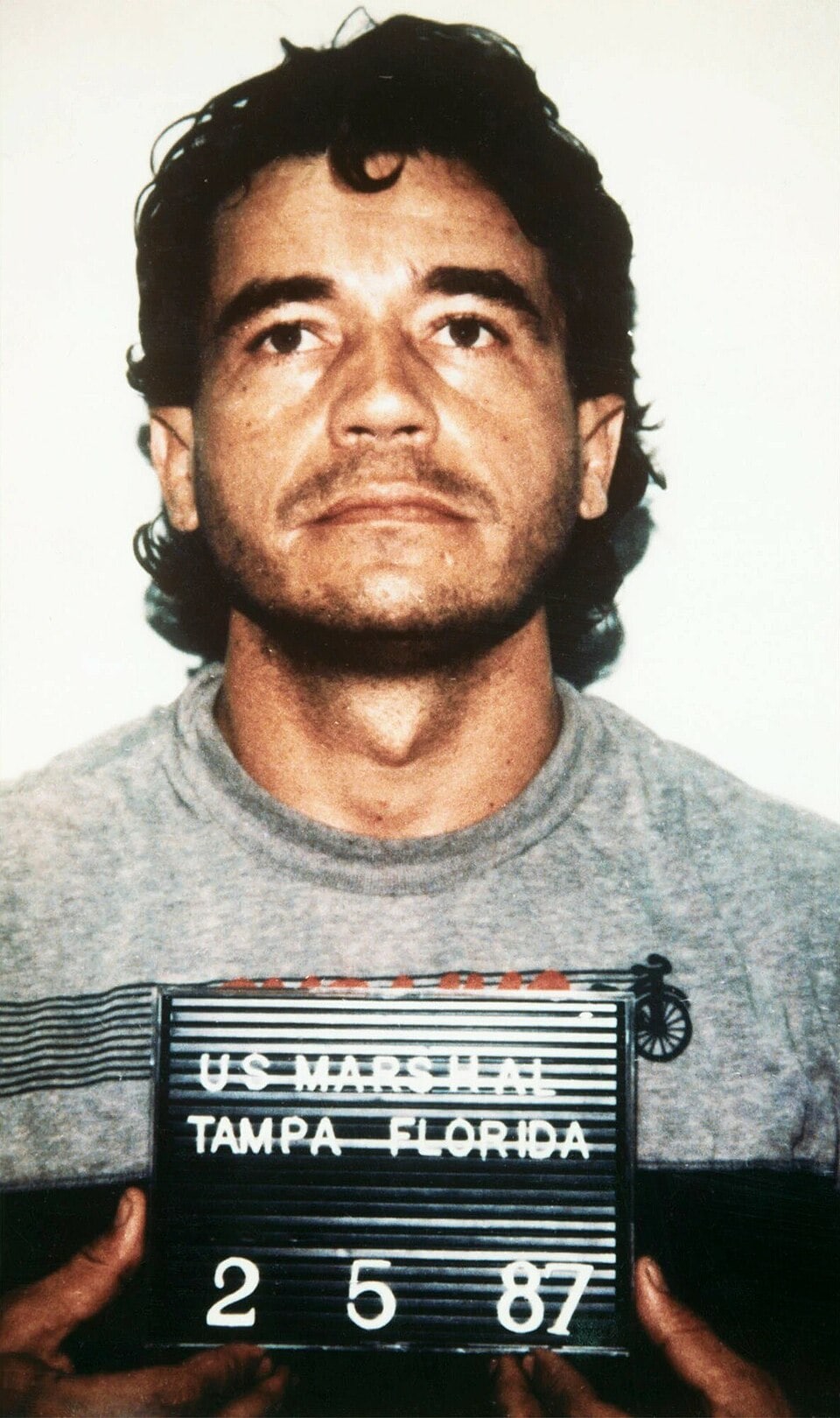
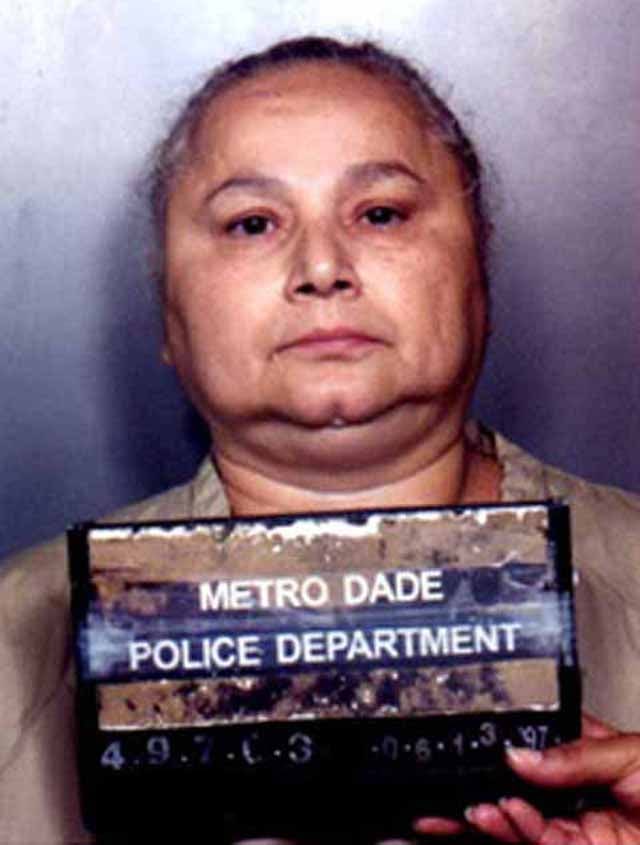
Two other fortunes on networth.watch come from the same category. Pablo Escobar is put at $30 billion and Semion Mogilevich at $10 billion. Dawood Ibrahim's $6.7 billion is under a quarter of Escobar's figure and about two thirds of Mogilevich's.
The gap with Escobar is product. Escobar controlled cocaine production and the wholesale export route into the United States at a moment when a single kilogram was worth more than a house, and he held territory, laboratories and aircraft. Dawood Ibrahim's revenue is subscription income from extortion, commission on smuggling and remittances, and property. It is more durable and far less valuable per year.
The comparison with Mogilevich is closer, since both men ran networks that moved value rather than goods, and both were described as controlling a payments channel. Mogilevich's figure is higher because his operations were anchored in the gas trade and in European financial markets, where a single transaction can be worth more than a year of Mumbai protection payments. Both figures carry the same weakness: they estimate the scale of an enterprise, not the holdings of a person.
Net worth milestones
- 1955 Born on 26 December in Khed, Ratnagiri, the son of a Mumbai Police head constable, and raised in Dongri, where he begins with theft and robbery in his teens.
- 1986 Leaves India for Dubai after the Mumbai Police want him over the murder of Samad Khan, moving the centre of the operation abroad.
- 1992 Splits with his deputy Chhota Rajan, who later turns rival and cooperates with Indian agencies, weakening his grip on the city's crews.
- 1993 The March bombings in Bombay bring charges, an Interpol notice and a permanent end to any legitimate business front, and he moves from Dubai to Karachi.
- 2003 Listed as a global terrorist by the United Nations and the United States, with a $25 million American reward posted for information.
- 2020 India auctions six ancestral properties in Ratnagiri under SAFEMA, and Pakistan names three Karachi addresses in a sanctions notification it says merely reproduces a UN list.
Legal history and later life
Dawood Ibrahim is a fugitive, not a convicted defendant in any judgment summarised here. He has been wanted in India since 1993 on charges including murder, extortion, targeted killing, drug trafficking and terrorism, and he is on the National Investigation Agency's most wanted list. Interpol has sought him since 1993 for organised crime and forgery. The 1993 Bombay bombings are the core of the case against him: Indian investigators and courts attribute the operation to him and his network, and the United Nations designation of 2003 rests on the same finding.
His current position is a set of sanctions rather than a sentence. The United States designated him in 2003 and listed him under the Foreign Narcotics Kingpin Designation Act, which bars American persons and companies from dealing with him and allows seizure of assets believed to be under his control. Washington has posted a $25 million reward. In February 2025 the Treasury sanctioned two Indian nationals and a company based in Pakistan for ties to D-Company.
India has pursued him through property rather than through prison. Auctions in 2017 and 2020 disposed of properties in Mumbai and Ratnagiri under SAFEMA. Nepal froze assets of associates in 2013, and Pakistan listed him in August 2020 while insisting that the notification repeated a United Nations list and did not admit his presence. Pakistan denies he lives there; his wife told an Indian channel in August 2015 that he was at home in Karachi.
He was born in 1955 and is 70. No death or hospitalisation has been confirmed, and he is described as active.
Frequently asked questions
Is Dawood Ibrahim a billionaire? Nobody has verified that, in either direction. The $6.7 billion figure has been in circulation since May 2015 and is an estimate of the scale of D-Company and the property attributed to it, not a valuation of assets in his name. American and United Nations sanctions freeze what can be found and India has auctioned only individual properties. Treat the number as an order of magnitude.
How did Dawood Ibrahim make his money? Through gold smuggling from the late 1970s, then extortion of Mumbai businesses, then narcotics and counterfeit currency, with commission earned on hawala remittances. Investigators say the syndicate spans Asia, Europe and Africa with more than 40 percent of earnings from India. Property in Karachi, Dubai and India is where proceeds were stored, generally in the names of relatives and associates.
Where is Dawood Ibrahim now? He is reported to be in Karachi, and Indian intelligence dossiers describe nine residences in Pakistan. Pakistan has repeatedly denied he is on its soil, though in August 2020 it issued a sanctions notification listing three Karachi addresses associated with him, saying it only reproduced a United Nations list. In August 2015 his wife told an Indian channel he was at home in Karachi. His exact whereabouts are unknown.
Has Dawood Ibrahim ever been convicted? Not in any judgment covered here. He has been a fugitive since 1993, when charges over the Bombay bombings were filed and Interpol issued a notice for organised crime and forgery. The legal measures against him have been designations, asset freezes and property auctions rather than a trial. India has sought his extradition, and in 2006 it gave Pakistan a list of 38 most wanted fugitives that included him.
What happened to his properties in India? They were auctioned. In November 2017 the government sold three properties including the Rounaq Afroz Restaurant, also known as Delhi Zaika. In 2020 it sold six properties in his ancestral village in Ratnagiri district by e-auction under the Smugglers and Foreign Exchange Manipulators (Forfeiture of Property) Act of 1976, the law used against smugglers and foreign exchange manipulators and their relatives.