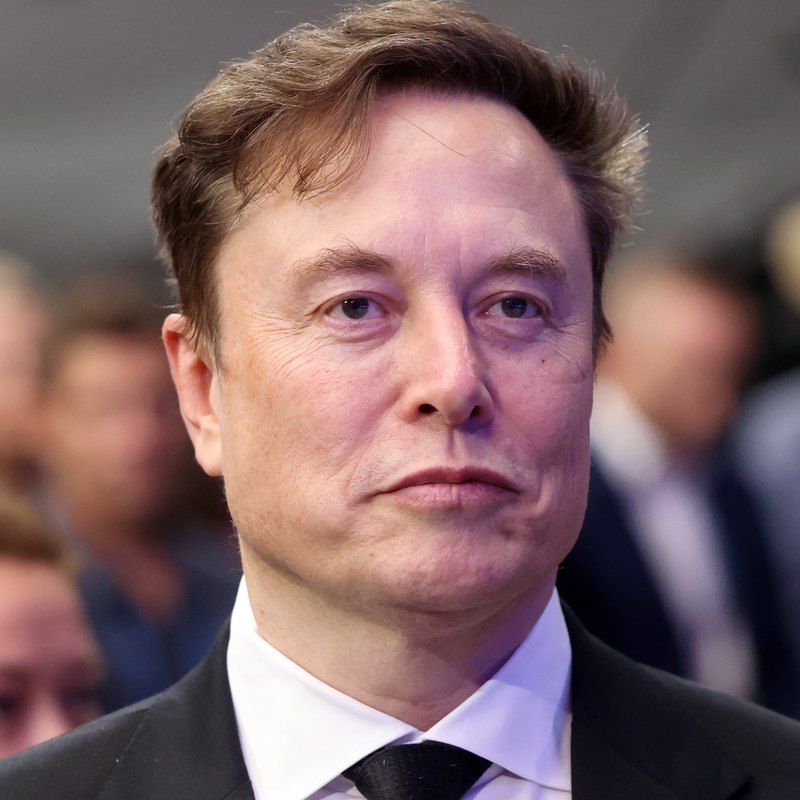
Elon Musk Net Worth
Two companies carry almost the entire fortune, and both are repriced often.
By Net Worth Watch Editorial · Reviewed by Net Worth Watch Research
Last updated Nov 3, 2026 · 3 min read
Estimated net worth
$878.5 Billion
USD · As of November 3, 2026
- Source of wealth
- SpaceX, Tesla, xAI, Other ventures
- Nationality
- United States
- Estimate by
- Forbes Real-Time Billionaires, 3 November 2026
What is Elon Musk’s net worth?
Our figure for Elon Musk is $878.5 billion, taken from the Forbes Real-Time Billionaires list on 3 November 2026. That figure is a snapshot, not a fixed number. Forbes recalculates it after every trading session and after each private funding round at SpaceX, so the value can move by tens of billions within a week.
Almost none of the total is cash. Musk is not a large salary earner at Tesla, and he has borrowed against shares rather than selling them in bulk. His wealth is the market value of equity in companies he controls, which means it depends on valuations that outside investors have agreed to pay in the most recent transaction.
Sources of wealth
Two companies account for the overwhelming majority of the fortune. The table below shows the approximate composition of the estimate.
| Source | Details | Approximate share |
|---|---|---|
| SpaceX | Stake of about 42 percent in the launch and satellite company, valued at the price of its most recent private round. | Largest single holding |
| Tesla | Roughly 12 to 13 percent of the electric vehicle maker, including options that have vested. | Second largest |
| xAI | Artificial intelligence developer merged with X in 2025, valued on the latest private transaction. | Fast growing |
| Neuralink, Boring Company and cash | Early stage ventures and a relatively small liquid balance. | Small |
Percentages and shares are approximate and lag the most recent filings when options are involved.
How the fortune was built
Musk was born in Pretoria in 1971 and left South Africa in his late teens, finishing school in Canada before studying in the United States. He dropped out of a Stanford graduate programme after two days to join the internet boom, and his first company, the directory software firm Zip2, was sold in 1999. He then co-founded the online bank that became PayPal, which eBay bought in 2002.
He put much of that money into two new ventures. Tesla, joined in 2004 and led from 2008, showed that electric cars could be sold at scale. SpaceX, founded in 2002, cut the cost of reaching orbit and became the contractor of choice for both NASA and commercial satellite operators. Those two bets turned a few hundred million dollars into the largest fortune ever recorded on the Forbes list.
In 2022 he bought the social network then called Twitter for $44 billion and renamed it X. Two years later he founded xAI, which absorbed X in 2025. Tesla shareholders also approved a long-term pay plan in November 2025 tied to extremely ambitious market value milestones. Because the awards are unvested, they are excluded from this estimate.
Holdings and assets
Beyond the four main companies, Musk holds small stakes in his earlier ventures and a property portfolio that has shrunk as he sold several California homes between 2020 and 2022. He has said publicly that he does not intend to own most of his wealth in personal property.
His borrowing is the least visible part of the picture. Like many founders, he has pledged shares as collateral for personal loans. When a stock is as volatile as Tesla’s, that structure raises the stakes for everyone involved, and it is one reason a sharp fall in a single share price can move the headline figure so far.
How we estimate it
The total comes from the Forbes Real-Time Billionaires list. We then check the two components that move most: the size of each stake and the latest price used for the private companies. SpaceX and xAI are private, so their valuations come from funding rounds, tender offers and secondary sales rather than a public market.
We do not deduct pledges of future giving, because the shares still belong to him until they are transferred. For the general approach see our methodology and our page on corrections.