Snoop Dogg Net Worth
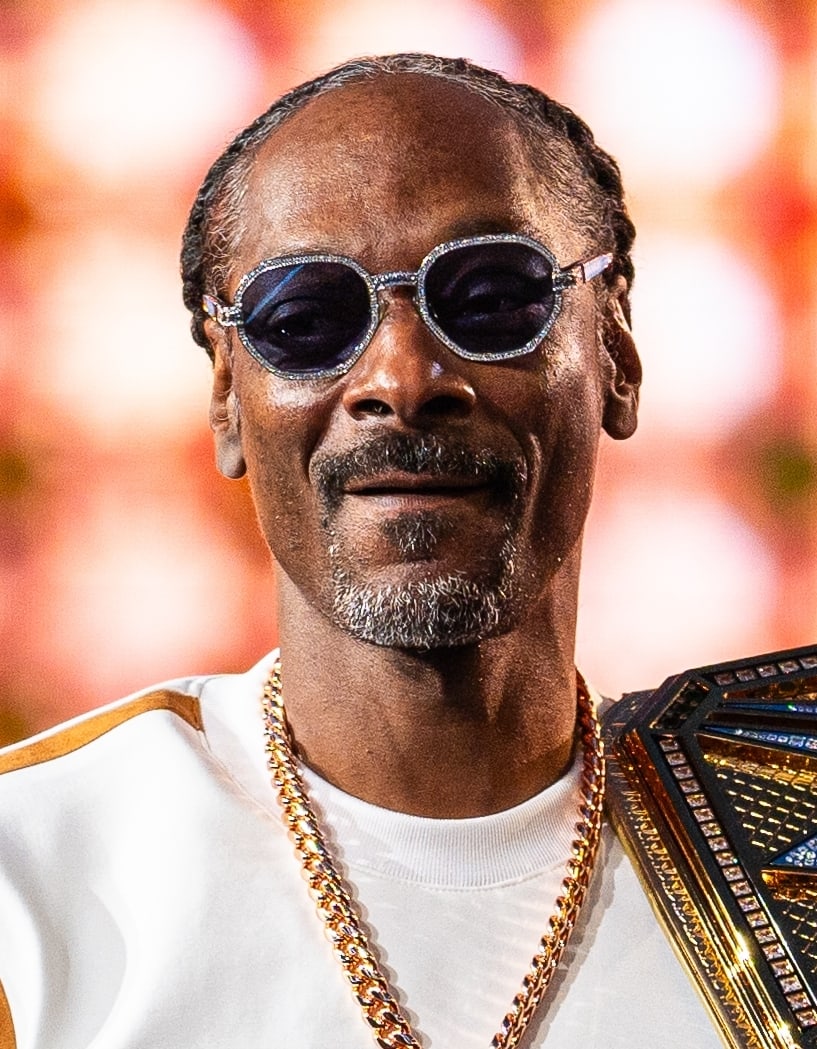
Snoop Dogg is an American rapper and entrepreneur with an estimated net worth of $160 million, built on his catalogue, t
Last updated Nov 7, 2026 · 6 min read
Estimated net worth
$160 Million
USD · As of November 3, 2026
- Source of wealth
- Death Row Records catalogue, Touring and live shows, Brand partnerships and sponsorship, Gin brand stake, Name and likeness licensing
- Nationality
- United States
- Estimate
- Net Worth Watch estimate
What is Snoop Dogg’s net worth?
Snoop Dogg’s net worth is an estimated $160 million on 3 November 2026. The figure is an editorial estimate rather than an audited balance sheet. It is assembled from published reporting on his recordings, touring, brand partnerships and licensing, and sits inside the range that Forbes and other outlets have published for him in recent years.
What separates him from most rappers of his generation is duration. He has been commercially active for more than three decades, and the money now arrives from several directions at once: music rights, live shows, sponsorship, a spirits brand and a catalogue he controls through Death Row Records.
How the fortune was built
Calvin Cordozar Broadus Jr was born in 1971 in Long Beach, California, and came into the business through Death Row Records, which released his debut album Doggystyle in 1993. The record made him a star and created a royalty stream paid, in one form or another, ever since. That first layer of wealth was contractual rather than entrepreneurial: he was an artist earning a share of records sold, not an owner of the rights behind them.
The next decade tested the business. He was accused of murder in 1993, just as the career took off, and acquitted in 1996. The case consumed years and legal fees without ending the recording career. After the acquittal he widened the business into film, television and the endorsement deals that would become the largest part of his income.
The decisive shift was from artist to owner. In 2022 he bought Death Row Records, the label that had released his debut three decades earlier. The price was not disclosed, so the transaction cannot be scored precisely, but the logic is clear: instead of collecting a royalty on recordings made for someone else, he became the party that owns and licenses the catalogue.
Around the ownership sits a brand layer few rappers have matched: consumer partnerships, a gin brand, a television show with Martha Stewart and digital collectibles. Together they turn his personality into a licensable property that keeps paying when touring stops.
Assets and holdings
The core asset is the Death Row Records catalogue acquired in 2022, which holds the recordings that made his name alongside work by other artists. Its market value has never been published, so the estimate treats it as the anchor of the total rather than a priced line item.
- Catalogue and label interests: Death Row Records and the royalty and publishing income attached to recordings he performed or released.
- Spirits: an equity interest in his gin brand. The stake size and the brand’s revenue are not public.
- Name and likeness rights: trademarks and licensing agreements covering sponsorship, merchandise and media appearances.
- Digital collectibles: holdings and projects in the digital asset space, of unconfirmed value.
- Property: California real estate is widely reported, but no verified total exists.
Income and the scale of the operations
His income arrives in five roughly separable streams: recorded music and streaming, live touring, sponsorship and endorsement, licensing of the Death Row catalogue, and the consumer businesses, chiefly the gin brand. He does not publish accounts, so any percentage breakdown online is inference rather than disclosure.
The scale can still be described. A touring rapper at his level plays arenas and festivals across several continents, which puts gross touring revenue in the millions a year. Streaming pays a fraction of a cent per play, but a catalogue three decades deep generates volume. Sponsorship is the quiet engine, worth more year after year than most album cycles.
Where the money went
Three things absorbed the early money. The first was tax, which takes a large share of touring and endorsement income at the rates applied to high earners in California. The second was legal cost: the murder case that ran from the 1993 charge to the 1996 acquittal required a defence team for years, and that expense is rarely counted when net worth is discussed.
The third was reinvestment. Buying Death Row Records in 2022 converted liquid earnings into an illiquid asset, lowering the cash position and raising the asset base. Capital also went into the gin brand and other ventures, where money is spent before any return arrives.
What the records actually show
Some facts here are documented and some are estimates, and the difference matters. Documented: his birth in Long Beach in 1971, the release of Doggystyle in 1993, the murder charge that year, the acquittal in 1996, and the purchase of Death Row Records in 2022. Those are matters of record.
Estimated or unconfirmed: the value of the Death Row catalogue, the price paid for it, the gin brand’s revenue, the terms of his sponsorship agreements, his digital collectible holdings and his property. None of those numbers is public, and no filing sets them out. The $160 million total is a point estimate with a wide margin.
How that compares
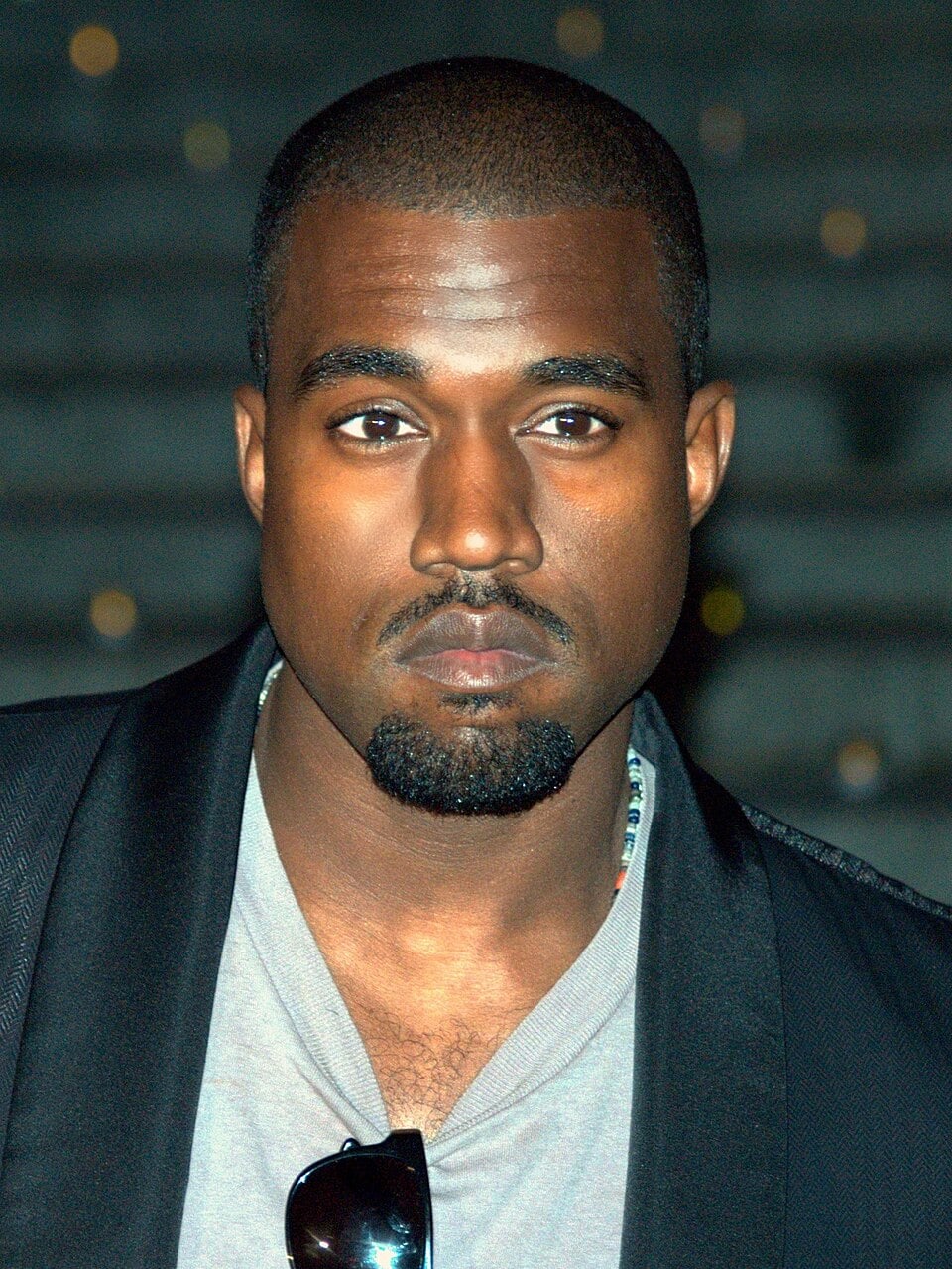
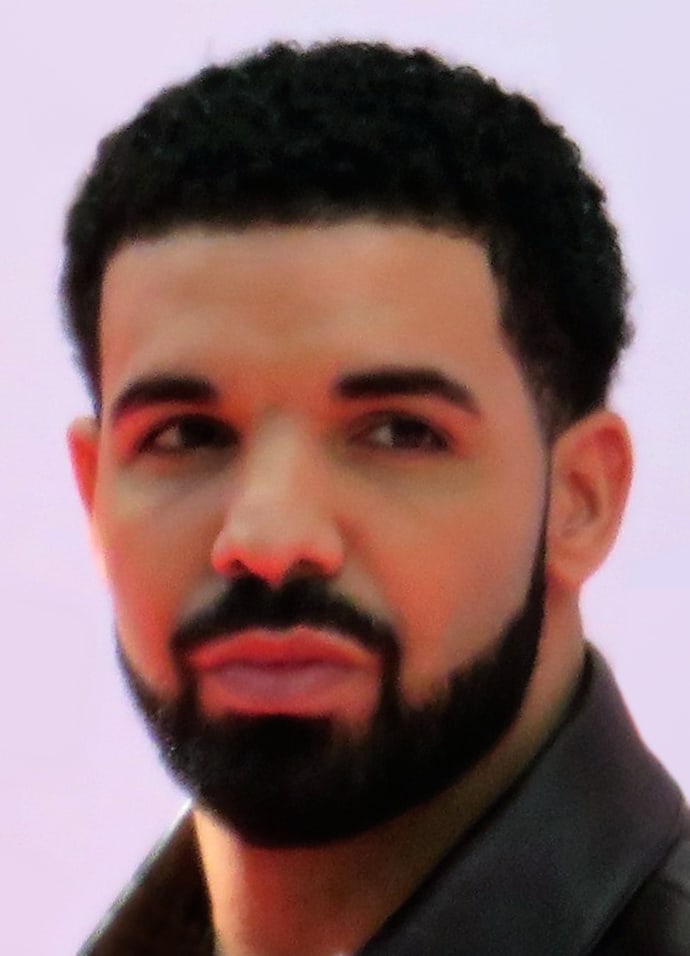
Against his peers, $160 million places him in the middle of hip hop’s wealthy tier. Drake is estimated at $250 million, roughly half again as much, on the strength of a streaming and touring machine built for a younger audience. Nicki Minaj is estimated at $150 million, close to Snoop’s figure but from a shorter career with less ownership.
The comparison shows what kind of fortune this is. He is not the richest rapper and has never had the single largest payday. His advantage is time: three decades of visibility, a catalogue he now owns and a name brands keep buying. That compounds slowly rather than spiking.
Net worth milestones
- 1971: born Calvin Cordozar Broadus Jr in Long Beach, California.
- 1993: releases Doggystyle on Death Row Records and becomes a star.
- 1993: accused of murder, the case that would define the next three years.
- 1996: acquitted, allowing the recording and brand career to resume at full scale.
- 2022: buys Death Row Records, the label that released his debut, at an undisclosed price.
- 3 November 2026: net worth estimated at $160 million, with the catalogue as the anchor.
Legal history and later life
The legal record that matters most is the 1993 murder charge and the 1996 acquittal. He was tried and found not guilty, so there is no conviction from that case, and it should not be described as one. No other criminal conviction is confirmed in the record used for this profile, and claims about later disputes are best treated as unconfirmed unless a court document supports them.
His later career has been unusually stable. The centre of gravity moved from recording to ownership and licensing: the Death Row purchase in 2022, the television work with Martha Stewart, the gin brand and the digital collectible projects. That mix is less glamorous than a stadium tour and more durable, because it does not depend on him performing.
Frequently asked questions
How much is Snoop Dogg worth in 2026?
This profile puts his net worth at an estimated $160 million on 3 November 2026. The figure is an editorial estimate based on published reporting about his catalogue, touring, sponsorship and consumer businesses. It is not an audited number, and no public filing sets out his assets. Other outlets publish their own estimates, and those vary with method and with the value they assign to the Death Row catalogue, which has never been independently priced.
How did Snoop Dogg make his money?
He started as a recording artist on Death Row Records, with Doggystyle in 1993 providing the breakthrough and the first royalty stream. Over three decades that base widened into touring, sponsorship, television, a gin brand, digital collectibles and, in 2022, ownership of Death Row Records itself. The largest component today is the catalogue, because he owns rather than merely performs the recordings, followed by live work and brand deals.
Does he own Death Row Records?
Yes. He bought Death Row Records in 2022, the label that had released his debut album in 1993. The purchase price was not disclosed, so the transaction cannot be valued from public information, and the current worth of the catalogue is unknown. Ownership matters for the estimate because it changes his position from royalty recipient to rights holder, a more valuable and more durable place to sit in the music business.
Was he convicted in the 1993 case?
No. He was accused of murder in 1993 and acquitted in 1996. That acquittal is the outcome of record, and the case should not be described as a conviction. The trial ran for years and involved substantial legal costs, one reason early earnings did not simply accumulate. No other criminal conviction is confirmed in the record used for this profile, and unverified claims about later legal trouble should be treated with caution.
Is the $160 million figure confirmed?
No. It is an estimate dated 3 November 2026, not a verified figure. The catalogue value, the price paid for Death Row Records, the gin brand’s revenue and the terms of his sponsorship deals are all private. What can be confirmed is the shape of the business: a three decade recording career, ownership of a label, a spirits brand, television work and licensing. The total follows from those parts and carries a wide margin of error.