Drake Net Worth
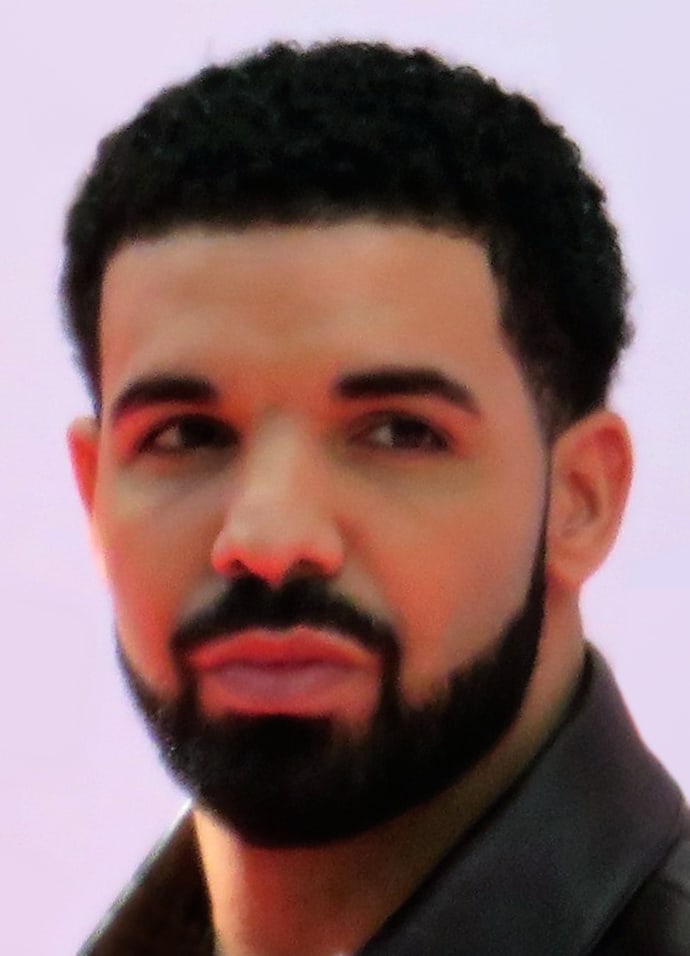
Drake is worth an estimated $250 million, earned from a catalogue built since 2009, touring, his OVO Sound label, clothi
Last updated Nov 7, 2026 · 6 min read
Estimated net worth
$250 Million
USD · As of November 3, 2026
- Source of wealth
- Recorded catalogue, Touring, OVO Sound, October’s Very Own, Toronto property
- Nationality
- Canada
- Estimate
- Net Worth Watch estimate
What is Drake’s net worth?
Drake’s net worth is an estimated $250 million on 3 November 2026. The figure is a Net Worth Watch estimate, and it sits inside the band that public trackers such as Forbes have published for him in recent years: a rapper whose income comes from recordings, publishing, touring, a clothing label and property rather than from one corporate exit.
That distinction explains the number. He has not sold a company for billions, and he does not own a spirits house or a streaming service. What he owns is a catalogue recorded from 2009 onward, a label he founded, a brand built on his initials, and a house in Toronto.
It is not a balance sheet. Royalty splits, label terms and private property values are not public, so the figure is an approximation built from reporting.
How the fortune was built
Aubrey Drake Graham was born in Toronto in 1986 and spent his teenage years on television, playing Jimmy Brooks in Degrassi. The acting work paid a wage, not a fortune; its value was that it made him familiar to a Canadian audience before he had released a record.
Between 2006 and 2009 he released a run of mixtapes, and the last of them, So Far Gone in 2009, is where the trajectory changed. It travelled through the internet rather than radio, and it drew enough attention that he signed with Young Money and Cash Money, the label group built around Lil Wayne. That signing supplied distribution, promotion and a long list of collaborations.
Take Care in 2011 turned him from a promising signee into a headline act. Nothing Was the Same followed in 2013, Views in 2016 and Scorpion in 2018, each released into a streaming market that pays per play instead of per copy. The timing mattered. A song that stays on playlists for years keeps earning.
The ownership layers arrived alongside the records. He founded OVO Sound as a label rather than remaining only an artist on someone else’s roster. He launched October’s Very Own as a clothing brand, then agreed collaborations with Nike and later Adidas, which pay a royalty on product sold rather than a flat fee for appearing.
Real estate is the quiet component. His Toronto property, a large estate generally described as a castle, is both a home and an asset.
Assets and holdings
The catalogue is the core. Recordings made from 2009 onward and the publishing attached to them generate money whenever a song is streamed, licensed or performed, and a catalogue of that shape is valued roughly as a multiple of the income it produces.
OVO Sound is a working business, not a vanity imprint: it signs artists, releases records and takes a share of what those records earn. October’s Very Own runs as a clothing and merchandise brand with its own releases and retail partnerships.
Above that sit the Nike and Adidas contracts and the Toronto estate. Cash and private investments are not disclosed, so the division between music, brand and property is inference.
Income and the scale of the operations
Money arrives on four schedules. Recorded music pays royalties through the label structure agreed with Young Money and Cash Money. Publishing pays separately, on the songwriting share. Touring pays in bursts, and his arena runs have ranked among the largest in hip hop, though grosses are reported rather than audited.
Brands work on a different cycle. October’s Very Own earns on product sold, and the Nike and Adidas lines earn on units shipped. Both are quieter than a tour and more durable, because they keep paying in years when nothing is released.
One album now moves several streams at once: a release lifts streams, publishing, merchandise and tour demand together.
Where the money went
Tax takes a substantial share. A career split between Canada and the United States attracts income tax in both places, cross border withholding on royalties, and sales tax on touring.
More of the money went into ownership than into consumption. Funding a label, building a clothing brand and holding a large estate all absorb capital in exchange for assets that produce income later. The Toronto property is the visible version of that habit rather than an exception.
Personal spending is real but small against the total: property, staff, security, vehicles and art. Philanthropy is not itemised publicly in a way that allows a figure.
What the records actually show
The releases are documented, and so are the label relationships. The Young Money and Cash Money signing, the album sequence from Take Care to Scorpion and the existence of OVO Sound are matters of record rather than estimate.
The endorsements are partly documented. Nike and Adidas have both been publicly associated with him, which establishes that the partnerships exist, but neither company publishes the terms, the royalty rates or the length of the agreements.
What is not documented is the most valuable part: royalty splits sit in private contracts, the label files no public accounts, and the Toronto property has no published valuation.
How that compares
Against Jay-Z, also on networth.watch, the gap is structural rather than a matter of output. Jay-Z’s estimate rests on equity in champagne, cognac and venture stakes that were revalued or sold at multiples no recording contract reaches. Drake’s money is almost entirely music and the businesses that hang off it.
Against Dr. Dre, the difference is a single event. Dre converted a headphone company into a sale, turning private equity into cash in one move. Drake has had no comparable exit.
Against a touring specialist such as Beyoncé, the pattern is closer, with performance income doing more of the work than ownership does.
Net worth milestones
- 1986 Born in Toronto, where the family base and the estate remain.
- 2006 to 2009 Run of mixtapes, ending with So Far Gone in 2009.
- 2009 Signs with Young Money and Cash Money, where the career becomes commercial.
- 2011 Take Care released, and the touring business grows with it.
- 2016 Views released, the commercial peak of the streaming era run.
- 2018 Scorpion released, with OVO Sound, October’s Very Own and the Nike and Adidas lines in place.
Legal history and later life
There are no confirmed judgments against him. The disputes that have surrounded a career of this size have been commercial in character, involving contracts and business arrangements rather than findings of wrongdoing, and nothing has produced a court judgment against him that is publicly confirmed.
The 2024 rap conflict with Kendrick Lamar was not a legal matter, but it had commercial consequences: a rapid exchange of diss records, a Lamar track that travelled far beyond the genre, and a period in which his catalogue and standing were examined closely. No court was involved at any stage.
He continues to release music, run OVO Sound and develop the clothing side of the business. Toronto remains his base.
Frequently asked questions
How much is Drake worth in 2026? We use an estimated $250 million as of 3 November 2026. The figure is built from a catalogue that has earned royalties since 2009, a touring business, the OVO Sound label, the October’s Very Own clothing brand, collaborations with Nike and Adidas, and property in Toronto. It is an estimate, because none of those holdings publishes a valuation that could be checked against a filing or a sale.
How did he make most of his money? From music, in two layers. Recordings and publishing produced the base, and touring scaled it. The label and clothing brand came later, turning his name into a business that sells products rather than only songs. The Nike and Adidas deals sit on top, paying royalties on footwear and apparel sold worldwide, which is a steadier stream than a tour that runs for a few months at a time.
Does he own his recordings? It is not publicly confirmed which masters, if any, he controls outright, so no number can be attached to that question. What is documented is his label relationship with Young Money and Cash Money and the existence of OVO Sound as his own imprint. Any statement that he owns his full catalogue is unverified, and this profile does not make it. Ownership of masters is the detail most often assumed and least often evidenced.
What does he earn from touring? Tour grosses have been reported among the largest in hip hop, but no audited figures exist and the net after production, crew, promoters and tax is unknown. Touring pays in bursts tied to album cycles, which is why the durable income comes from royalties and brands instead. Reported per show fees are reporting rather than records, and the share that reaches him personally has never been published.
Did the 2024 feud with Kendrick Lamar cost him money? No confirmed figure exists either way. The conflict was not litigated and produced no judgment, so any claim of a specific loss is speculation. What can be said is that it put his catalogue and reputation under unusual scrutiny during 2024, while the commercial structures behind his income, the label, the brand and the publishing rights, continued to operate without any documented disruption to their value.