Taylor Swift Net Worth
Record-breaking tours and a catalogue she fought to own.
Last updated Nov 7, 2026 · 6 min read
Estimated net worth
$1.6 Billion
USD · As of November 5, 2026
- Source of wealth
- Eras Tour receipts, Re-recorded catalogue, Publishing income, Residential property, Licensing and brand work
- Nationality
- United States
- Estimate
- Net Worth Watch estimate
What is Taylor Swift’s net worth?
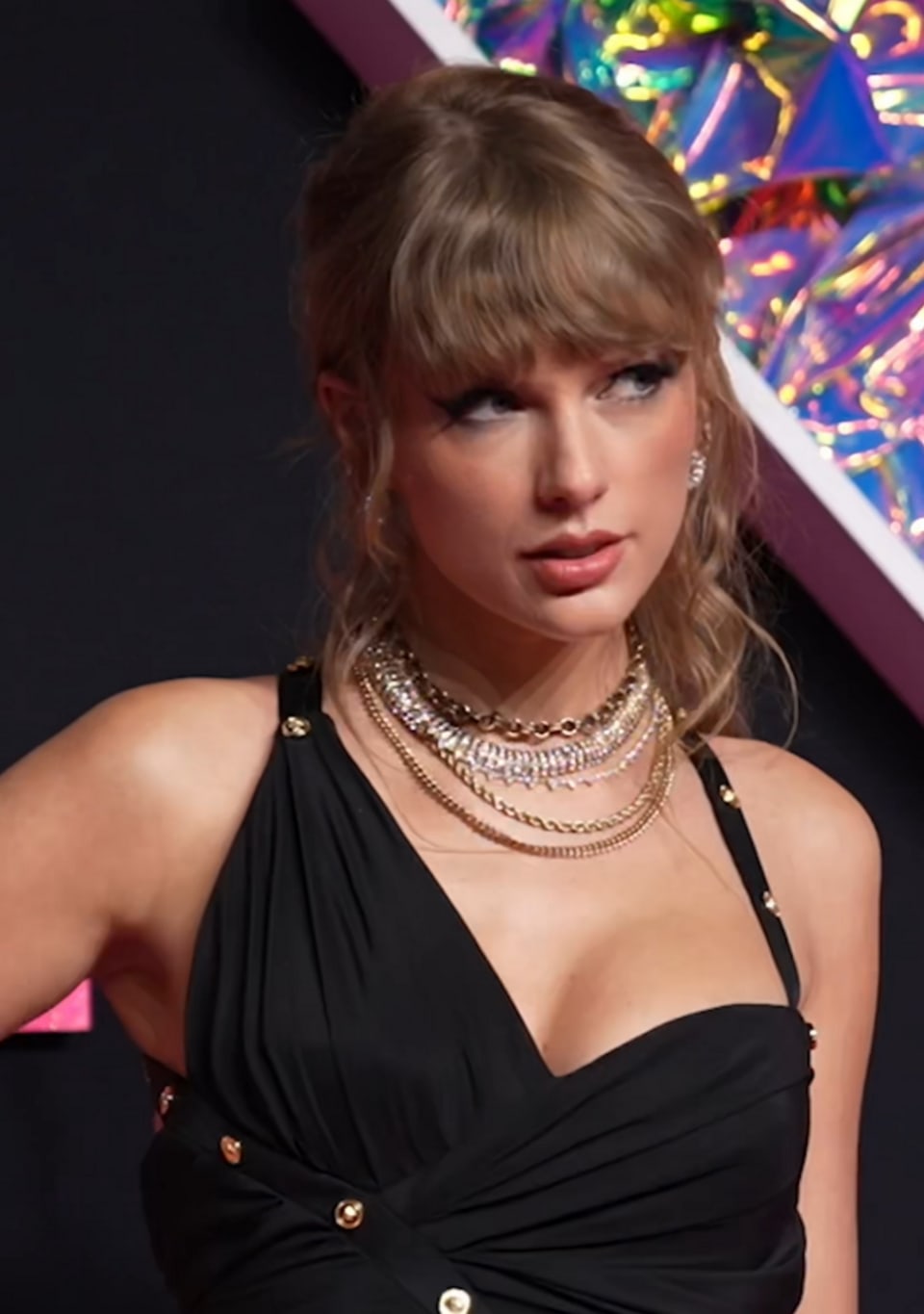
Taylor Swift’s net worth is an estimated $1.6 billion on 3 November 2026. The figure rests on three things that can be partly traced: the record-breaking Eras Tour, a catalogue of songs she now largely controls, and a property portfolio assembled over more than a decade.
Unlike most billionaires on this site, she has no operating company at the centre of the number. There is no holding structure with outside investors, and no single liquidity event that turned her work into a block of stock. The money is royalties, tour receipts and real estate.
That makes the estimate both simpler and softer. A tour gross is documented by promoters and box office reporting. A catalogue is worth whatever a buyer would pay on a given day. This is an estimate, not an audited balance sheet, and it should be read as an order of magnitude.
How the fortune was built
Born in 1989 in Pennsylvania, she moved to Nashville as a teenager to write country songs. Her self-titled debut arrived in 2006, when she was sixteen, and it set the pattern that has held since: she writes or co-writes the material, and the songs describe her own life.
Country radio made her famous, and the albums that followed sold in numbers the format had not seen in years. By the early 2010s the country framing had become a constraint rather than a platform.
The break came with 1989 in 2014, an album built on synthesizers and pop production with no country singles at all. It sold heavily, won the album of the year Grammy, and moved her audience across formats. From that point the business was global touring rather than radio.
In 2019 the fight over her master recordings reshaped the economics of her career. Scooter Braun’s company bought Big Machine, the label that held her first six albums, and she said publicly that she had been refused the chance to buy them herself. Her answer was to re-record the albums as Taylor’s Version, so that she would own new recordings of the same songs. The project began in 2021.
The Eras Tour, which opened in 2023 and ran into 2024, was the commercial peak. It grossed more than $2 billion, the largest figure ever recorded for a concert tour, and a cinema release put the same show on screens. She also signed with Universal Music Group, in a deal reported to give her ownership of her masters.
Assets and holdings
The core asset is the catalogue: the re-recorded versions of her first six albums, the records made under the Universal deal, and the publishing income from songs she wrote. Owning the recordings rather than licensing them is the difference between a royalty cheque and a rent cheque.
Real estate is the second block. She has bought homes in Tennessee, New York, California and Rhode Island over the years, several of them reported at eight figures. A portfolio of that kind stores value and also generates a steady private expense in staff, tax and maintenance.
The remainder is smaller: a touring production business, merchandise, brand partnerships and the aircraft needed to move a stadium show between cities.
Income and the scale of the operations
Touring is the engine and it pays in bursts. A stadium run produces ticket revenue, merchandise sold per head and sponsorship attached to the dates, all of it concentrated into a few months and then gone.
Recorded music and publishing pay on a slower schedule. Streaming royalties arrive monthly and are modest per play, but a catalogue of that size and age produces them continuously, including from the re-recordings, which compete with the originals rather than replacing them.
Licensing adds the rest: the concert film, sync placements and brand work. The film was the efficient piece, since the show had already been built and paid for.
Where the money went
Tax takes the largest single bite. Tour income is earned city by city and taxed city by city, on top of federal and state liability, and a gross above $2 billion produces a tax bill in the hundreds of millions rather than the millions.
Production took the next share. A stadium tour of that length requires crew, trucks, staging, rehearsal and freight, all of it paid before any profit is counted. The re-recording project was also expensive: studio time, musicians and marketing for albums that had already been released once.
She put money into property instead of spending it, and funded donations to food banks in tour cities, a programme reported to run into the millions.
What the records actually show
The strongest evidence is box office reporting. Pollstar and Billboard both track tour grosses, and the Eras figures are the best documented numbers in her file. Chart records are public. The Big Machine sale to Scooter Braun’s group in 2019 was a corporate transaction with a reported price, which establishes what the early masters were thought to be worth.
The soft parts are the catalogue valuation, the royalty splits behind it and the value of the property. None of that is filed anywhere. There are no public accounts for her business, and no court case has forced a schedule of assets into the record.
How that compares
Against Rihanna, also on networth.watch and estimated at $1.4 billion, the structure is the opposite. Rihanna’s wealth sits in equity in Fenty Beauty and Savage X Fenty, stakes that could be sold and valued. Swift’s sits in a catalogue, property and the promise of future tickets, which means it depends on her continuing to work.
Against Paul McCartney, at $1.3 billion, the difference is era. He accumulated publishing and rights over sixty years of steady royalties. She accumulated a comparable figure in under twenty, because stadium touring at this scale did not exist when he started.
Net worth milestones
- 2006 Self-titled debut released, at sixteen, on a Nashville country label.
- 2014 1989 moves her from country to pop and becomes her biggest seller.
- 2019 Big Machine and her early masters sold to Scooter Braun’s company.
- 2021 Re-recordings begin with Fearless and Red as Taylor’s Version.
- 2023 Eras Tour opens and grosses more than $2 billion by the end of 2024.
- 2026 Estimated at $1.6 billion, with touring and the re-recorded catalogue as the base.
Legal history and later life
She has no criminal record and no regulatory action against her companies. The litigation in her file is civil. In 2017 a jury in Denver found in her favour in her suit against a radio host she accused of assault, and awarded the symbolic one dollar she had asked for.
A copyright case over the lyrics of Shake It Off ran for years and was decided in her favour in 2022. The masters dispute with Braun was fought in public rather than in court, and the commercial answer, re-recording, settled it without a judgment.
Her role now is closer to that of an owner than an artist on a roster: she controls her recordings, her touring business and the terms on which her work is licensed.
Frequently asked questions
How much is Taylor Swift worth in 2026? An estimated $1.6 billion as of 3 November 2026. The total comes from three places: the proceeds of the Eras Tour, the value of a catalogue she largely owns after re-recording her early albums, and residential property in several states. It is an estimate, because none of those assets appears in public filings.
Is she a billionaire from music alone? Mostly, but not only. Recorded music, publishing and touring are the engine, and they account for the bulk of the figure. Property and brand partnerships sit on top. The unusual part is that the money comes from performing and owning songs rather than equity in a company she sold.
Does she own her masters now? She owns the re-recorded versions of her first six albums, which is why the Taylor’s Version releases exist. Her albums under the Universal deal are hers from the start. The original Big Machine recordings stay with the company that bought them, so the two sets compete in the same market.
How much did the Eras Tour make? More than $2 billion in ticket sales, the highest gross ever reported for a concert tour. Gross is not profit: production, freight, crew, venue costs and local taxes come out first. A concert film released in cinemas added a separate revenue stream that carried almost no touring cost.
Who is richer, Taylor Swift or Rihanna? Rihanna is estimated at $1.4 billion on this site, slightly below Swift’s $1.6 billion, but the fortunes are built differently. Rihanna’s money is equity in beauty and fashion brands, which can be sold or valued. Swift’s is a catalogue, property and future ticket sales, which depend on her continuing to perform.