Paul McCartney Net Worth
Sixty years of songs that keep paying.
Last updated Nov 7, 2026 · 6 min read
Estimated net worth
$1.3 Billion
USD · As of November 5, 2026
- Source of wealth
- Beatles royalties, MPL publishing, Solo catalogue, Touring, Property
- Nationality
- United Kingdom
- Estimate
- Net Worth Watch estimate
What is Paul McCartney’s net worth?
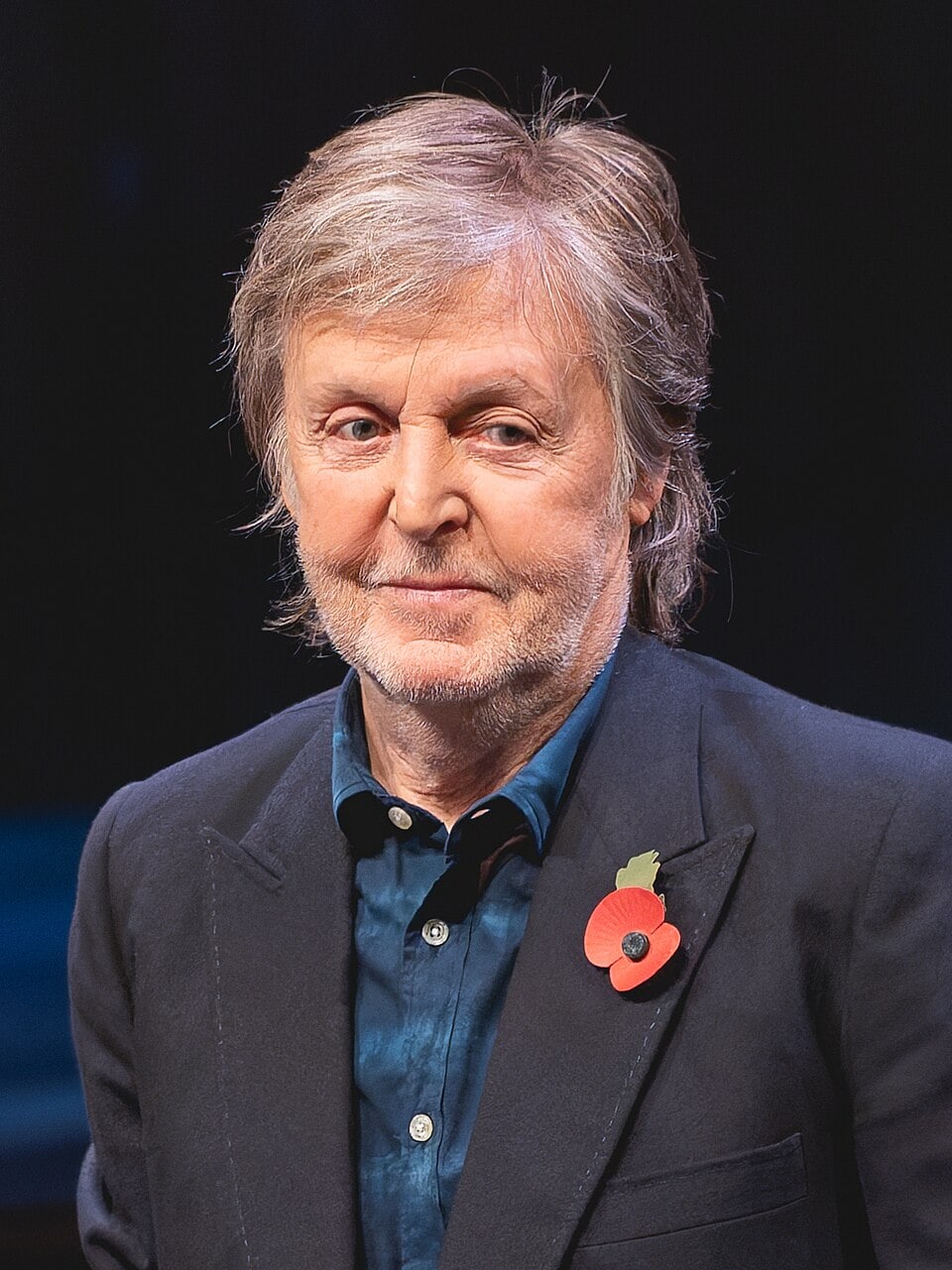
Paul McCartney’s net worth is an estimated $1.3 billion on 3 November 2026. The figure comes from published rich-list estimates rather than from any filing, because none of his holdings is publicly traded or audited.
The money is mostly in rights. He holds a writer’s share of the Beatles songs that have reverted to him under American law, a private publishing company that owns thousands of songs by other writers, and royalties from decades of use of both. Touring adds to the total but does not carry it.
The rest is property, a stake in the companies built around his name, and cash from a career that never depended on one large sale. He is one of the very few musicians whose wealth grew without selling a catalogue. The estimate has been stable for several years, which is itself a sign of how slowly a rights-based fortune changes.
How the fortune was built
James Paul McCartney was born in Liverpool on 18 June 1942, son of a cotton salesman who played trumpet and piano at home. His mother, a midwife, died when he was fourteen and the household income was modest. He met John Lennon at a church fete in Woolton in 1957, joined the Quarrymen, and spent five years learning the trade in Liverpool and Hamburg.
The Beatles signed with manager Brian Epstein in 1961 and released a first single in 1962. Between 1963 and 1970 the group sold records at a pace no act has matched since, and McCartney wrote or co-wrote most of its best known songs with Lennon. He also learned what he did not own. In 1969 Northern Songs, the company holding the Lennon and McCartney publishing, was taken over by a larger group, and he lost control of his own songs. That loss shaped his business life for fifty years.
Wings followed in 1971, formed with his wife Linda and the guitarist Denny Laine. Band on the Run, recorded in Lagos in 1973, was the commercial peak, and the band toured arenas and stadiums for the rest of the decade.
The vehicle for the business was MPL Communications, built from 1969 onward. It began as a home for his own songs and grew into a catalogue of other writers, so that a fee he had once paid to somebody else became income he collected. From the 1990s the work was solo albums, charity concerts and the slow accumulation of copyrights. From 2022 the Got Back tour took him to stadiums in the Americas, Europe and Australia, running into 2025.
Assets and holdings
The structure is one private company plus a set of personal holdings. MPL Communications is the operating vehicle: private, based in London, and filing accounts at Companies House. Through it he controls his solo recordings, his publishing share and the catalogues he has bought over the years, among them the Buddy Holly songbook and the rights to Broadway shows including Grease.
Beatles income is separate and messier. The recordings belong to a major label, so he receives artist and writer royalties rather than owning the tapes.
Property sits outside both, in his own name and in family trusts: a London house bought in the 1960s, a farm in Scotland, an estate in East Sussex and homes in the United States.
Income and the scale of the operations
Touring is the largest single stream in a good year. The Got Back dates were reported among the highest grossing tours of their seasons, and a stadium show by a performer in his eighties is a rarity that promoters compete for.
Royalties are the steady stream. Beatles recordings have been on streaming services since 2015, which turned a shrinking catalogue into a growing one. The songs are covered, sampled, licensed for film and played on radio continuously, and each use pays the writer.
MPL adds publishing income from other people’s songs and from stage productions, which arrives whether or not he performs.
Where the money went
Tax has taken a large share. British income tax at the top rate through the 1970s reached 83 percent on earned income, which pushed him and many other British musicians to spend part of each year abroad, and the Beatles’ affairs were restructured more than once for that reason.
The Northern Songs loss in 1969 was a direct cost. Publishing income that should have been his went to outside shareholders, and he spent decades buying rights back at rising prices.
The 2008 divorce settlement was reported at about 24 million pounds. Most of what was left went into copyrights rather than consumption.
What the records actually show
MPL’s filed accounts are the most solid evidence. They show a company with substantial assets, published annually, though in a form that groups holdings and does not value individual copyrights.
The English family court published part of the judgment in his 2008 divorce, which set out a broad picture of the assets at that date. The complaint he filed in New York in 2017 listed songs and termination dates, and confirmed which American rights he was reclaiming.
What no document shows is what the catalogue is worth today. Copyright valuations rest on assumptions about streaming and licensing, and two analysts working from the same royalties can reach very different totals.
How that compares
Against Warren Buffett, also on networth.watch at $158 billion, the scale differs by two orders of magnitude, but the method is recognisable. Both men own assets that throw off cash without much capital spending, and both have held them for fifty years or more. McCartney’s asset is copyright, Buffett’s is insurance float.
Against Steve Ballmer, at $158 billion, the difference is liquidity. Ballmer’s wealth sits in one public company that is priced every second. The catalogue has no ticker, and nobody can say what it would fetch until it is sold.
Net worth milestones
- 1942 Born in Liverpool on 18 June, into a family of modest means.
- 1969 Northern Songs taken over, and he loses control of his own publishing.
- 1971 Wings formed with Linda McCartney and the guitarist Denny Laine.
- 1985 Michael Jackson buys the ATV catalogue, which holds the Lennon and McCartney songs.
- 1997 Knighted for services to music, by then a very rich man.
- 2022 The Got Back tour opens, running through 2025.
Legal history and later life
His legal history has no criminal element. There is no record of prosecution against him; the cases attached to his name are commercial and family matters.
The divorce from Heather Mills went before the Family Division in 2008 and produced a partly published judgment, unusual in English practice, which set out his assets and awarded a sum reported at about 24 million pounds.
In January 2017 he sued Sony/ATV in New York over the ownership of the Lennon and McCartney copyrights, arguing that American law returned them to the writers. The two sides reached a settlement in 2018, and the songs have been reverting to him in stages since.
He still records and still tours. He headlined Glastonbury in 2022 at eighty, and the Got Back schedule ran into 2025.
Frequently asked questions
How much is Paul McCartney worth in 2026? The estimate is $1.3 billion as of 3 November 2026. It is built from royalties on Beatles recordings, a private publishing catalogue held through MPL Communications, the value of his solo catalogue and property, and the proceeds of a touring career that resumed in 2022. Treat it as an estimate, because no auditor has ever valued the copyrights.
Does he own the Beatles catalogue? He owns part of it, not all. Northern Songs was taken over in 1969 and later became part of the ATV catalogue, which Michael Jackson bought in 1985 and which eventually passed to Sony. Under American law the writers can reclaim their share, and those rights have been returning to him in stages.
How much does he earn from touring? Individual figures are private, and the reported totals for the Got Back tour cover gross ticket sales rather than his personal share. A tour of that size passes through promoters, venues, insurers and a large crew before it reaches the artist, and the net figure is a fraction of the gross.
Did he ever sell his song catalogue? No. He bought rights rather than selling them, and MPL has grown by acquisition since 1969. That is unusual in his generation: several of his contemporaries sold catalogues in the 2020s boom, when music rights traded at record multiples, and he did not join them. The rights he bought instead are still producing income.
What is MPL Communications? It is his private company, based in London, which holds his publishing and much of his recorded work. It also owns songs by other writers, including the Buddy Holly catalogue, and rights to stage musicals. Because it is unlisted, its accounts give totals rather than valuations for individual copyrights.