Zlatan Ibrahimović Net Worth
Two decades of clubs, contracts and image rights.
Last updated Nov 7, 2026 · 6 min read
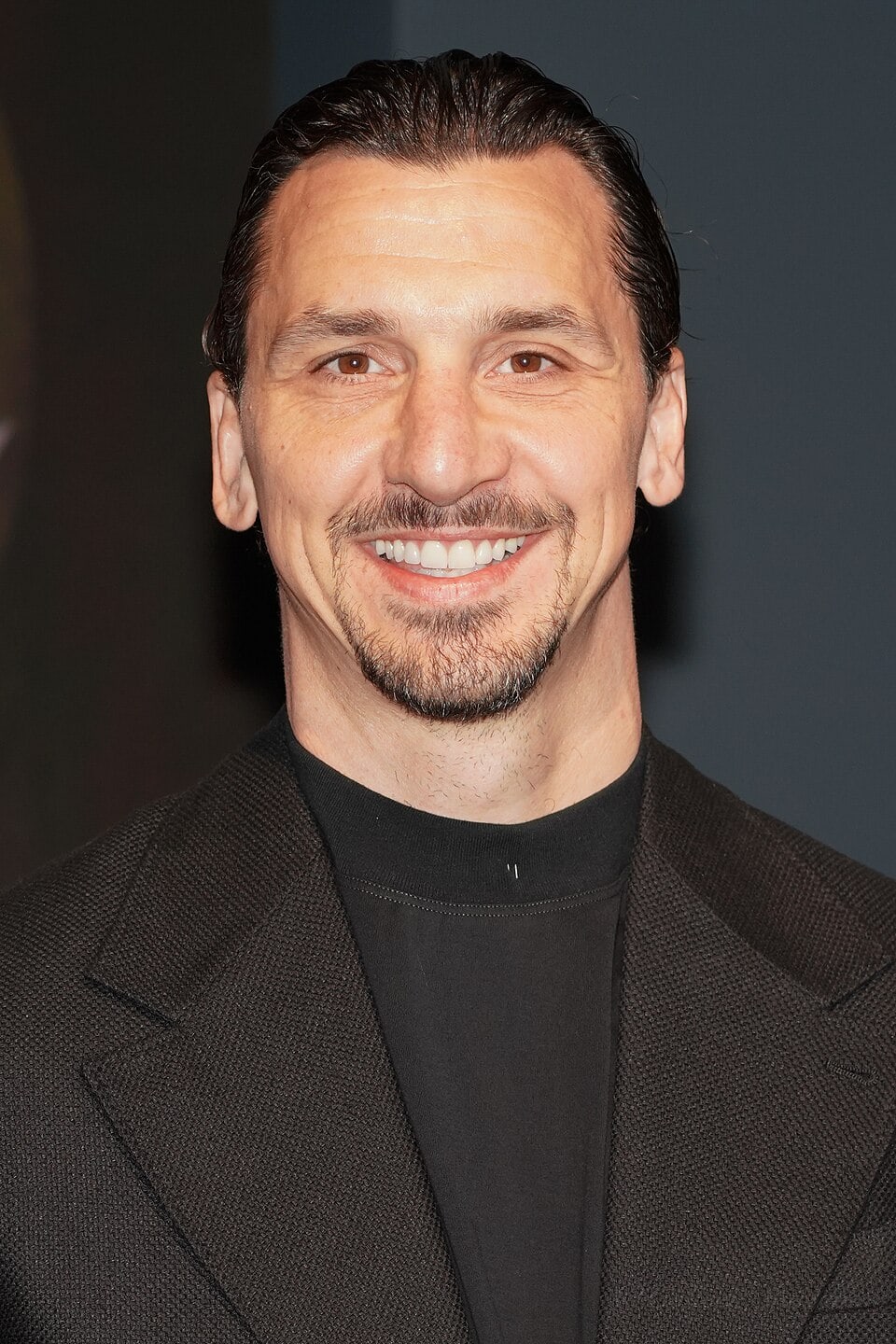
Estimated net worth
$190 Million
USD · As of November 5, 2026
- Source of wealth
- Playing contracts, Signing fees and bonuses, Puma endorsement, Image rights and licensing, Property
- Nationality
- Sweden
- Estimate
- Net Worth Watch estimate
What is Zlatan Ibrahimovic’s net worth?
Zlatan Ibrahimovic’s net worth is an estimated $200 million on 3 November 2026. The figure rests on twenty two seasons of professional football, nearly all of them at clubs paying at the top of their domestic markets, and on a commercial portfolio built around one long equipment deal. It is our estimate rather than a disclosed total, and none of it comes from inheritance or from selling a company he founded.
The structure is unusual for a football fortune. There is no ownership stake in a club, no founding equity in a technology business, and no licensing company large enough to define him. The money arrived as wages, signing fees, bonuses and sponsorship payments in several currencies, and most of it was kept rather than spent. That is how a player who never signed the sport’s largest contract still finished his career in the same bracket as men who did.
How the fortune was built
He was born in Malmö on 3 October 1981, the son of a Bosnian father and a Croatian mother, and grew up in the Rosengård district. He came through the Malmö FF academy and made his senior debut in 1999. Ajax bought him in 2001 for a reported fee close to nine million euros, large money for a Swedish teenager at the time.
In Amsterdam he won two Eredivisie titles, in 2002 and 2004, playing as a lone striker. Juventus paid a reported 16 million euros in 2004. He won two Serie A titles there, both later revoked in the Calciopoli scandal, and left when the club was relegated in 2006.
Inter paid a reported 24.8 million euros that summer and he won three consecutive league titles, the last under Jose Mourinho in 2009. Barcelona then bought him in a swap that sent Samuel Eto’o the other way plus a reported 46 million euros, the biggest deal of his career. He lasted one season and left on loan to Milan.
Milan made the move permanent for a reported 24 million euros, and he won Serie A again in 2011. Paris Saint-Germain signed him in 2012 and he delivered four Ligue 1 titles in four seasons. Manchester United took him on a free transfer in 2016, where he won the Europa League before a knee injury ended his season in 2017. LA Galaxy followed in 2018, and he returned to Milan in 2020 at thirty eight, winning the 2022 title before retiring in 2023.
Assets and holdings
Most of the fortune is not in things that can be photographed. It sits in cash, funds and private companies, and the largest single component by far is simply the accumulated net pay from contracts signed between 2001 and 2023.
Around that sit holding vehicles, reported to be registered in Sweden, which collect image rights income from licensing and sponsorship rather than from match appearances. The Puma agreement runs through a separate arrangement and pays on product sold.
Property in Sweden and Italy is held under the same structure, reported rather than documented. He has never published a balance sheet, has no controlling stake in a football club, and owns no operating company large enough to be valued separately from his name.
Income and the scale of the operations
At his peak he earned in the region of 25 to 30 million euros a season before tax, split between club wages and endorsements. The Paris years from 2012 to 2016 were the richest, with a reported salary of about 15 million euros a season after tax, and Manchester United matched that level in 2016 and 2017.
The commercial side is smaller than it looks. Puma is the anchor partner, with a signature collection that sells on licensed product, but he never assembled the portfolio of global sponsors that Ronaldo or Beckham did. His income depended on the next contract, and when the contracts stopped, so did most of the inflow.
Where the money went
Tax took the largest share. He played in the Netherlands, Italy, Spain, France, England and the United States, each with its own treatment of image rights and signing fees, and top rate income tax in Sweden, where he is resident, is among the highest in Europe.
Agent commissions were another steady drain. Mino Raiola represented him for most of his career and was paid on each transfer, including the Barcelona swap and the Paris move. The 2017 knee injury cost him a season of wages.
He also spent on the ordinary things of a very rich athlete: cars, watches, a reported collection he has spoken about publicly. The difference is that spending never outran earnings.
What the records actually show
The contract numbers are well documented. Transfer fees were announced by clubs or reported consistently by the football press, and wage figures for Paris and Manchester have appeared in several outlets. What does not exist is a personal balance sheet.
Swedish public records make company accounts visible, but his earnings passed through vehicles in more than one country and the interesting figures sit on no single line. Sponsorship income is never disclosed.
So the $200 million is a constructed estimate: career earnings, less tax and commission, plus an assumed return on what was kept. The order of magnitude is reliable. The last ten or twenty million is not.
How that compares
Neymar is estimated at about $300 million on the same date, and the gap is not about talent. Neymar earned a world record fee in 2017 and a Saudi contract in 2023, two transactions that no Swedish striker could match.
Kylian Mbappe sits at about $200 million, level with Ibrahimovic, but he reached that number by twenty seven. Ibrahimovic needed twenty two seasons. That comparison is the clearest illustration of how much more a modern forward earns per year than one who peaked before the 2017 transfer inflation.
Net worth milestones
- 2001: Ajax pay a reported nine million euros for a teenage striker from Malmö.
- 2004: Juventus buy him for a reported 16 million euros on a much larger salary.
- 2009: Barcelona swap Eto’o plus a reported 46 million euros, the biggest deal of his career.
- 2012: Paris Saint-Germain, where his reported net pay reaches about 15 million euros a season.
- 2016: Manchester United on a free transfer, with wages near his Paris level.
- 2026: Estimated at $200 million on 3 November 2026, three years after retiring.
Legal history and later life
He has no criminal conviction and no court judgment against him in a business matter. The one recurring legal thread is tax. Swedish media have reported a dispute with the national tax agency over capital gains on a property sale, with an amount reported but never confirmed by him, and no court ruling published.
Earlier, a Swedish appeals court examined the image rights arrangements around his companies, a common feature of footballer tax planning rather than an accusation of evasion.
Since retiring in 2023 he has worked as a senior adviser to RedBird Capital, the American owner of AC Milan, which keeps him inside the game without a contract. He also runs a foundation and remains one of the sport’s most quoted figures.
Frequently asked questions
How much is Zlatan Ibrahimovic worth in 2026? We estimate $200 million as of 3 November 2026. The figure combines reported wages and signing fees from eight clubs, endorsement income led by Puma, property in Sweden and Italy, and assumed returns on invested savings. It is an estimate because no personal balance sheet exists and sponsorship terms are confidential.
Did he earn more from wages or from sponsorship? Wages. Across twenty two seasons he played for clubs paying at the top of their markets, and the Paris and Manchester contracts alone produced more than any commercial relationship. Puma has been steady, but a Swedish striker without a World Cup platform never drew the sponsors Ronaldo did.
Why is he not a billionaire like Messi or Ronaldo? Timing and platform. He peaked before the 2017 transfer inflation and never played for a national team that reached a major final, which limits global sponsorship value. He also signed fewer lifetime deals and took no equity in a club or league, so his earnings stopped when the contracts did.
What does the Puma deal involve? Puma has been his equipment partner since 2014 and sells a signature collection under his name, paying on licensed product rather than on appearances. Reported terms have never been published. It is the longest commercial relationship of his career and, unusually, it continued after he retired from playing.
What does he do now? He is a senior adviser to RedBird Capital, the fund that owns AC Milan, a role involving recruitment advice and public representation rather than daily management. He retired in 2023 and has not taken a coaching job. He also runs a foundation and remains one of the sport’s most quoted figures.